The Classroom of Tomorrow is Here Today
The integration of wearable technology into education is rapidly moving from concept to reality. These devices, ranging from smartwatches and AR/VR headsets to specialized sensors, are opening up unprecedented opportunities to revolutionize how students learn and how educators teach. The goal is to create more immersive, interactive, and personalized learning environments.
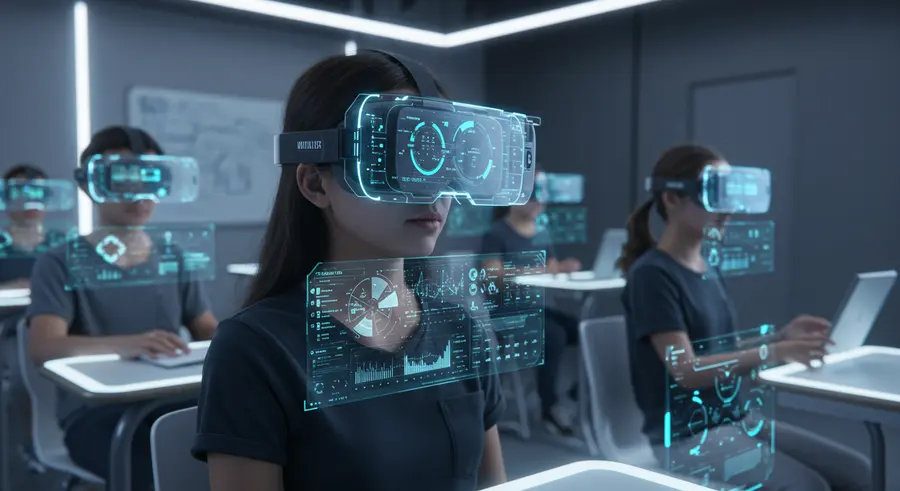
Wearables are making learning more interactive and engaging.
Enhancing Engagement and Immersion
One of the most significant impacts of wearables in education is their ability to boost student engagement and provide immersive learning experiences. Augmented Reality (AR) and Virtual Reality (VR) headsets can transport students to historical events, inside the human body, or even to distant galaxies, making abstract concepts tangible and memorable.
Key applications include:
- Virtual Field Trips: Exploring ancient ruins or marine ecosystems without leaving the classroom.
- Interactive Simulations: Conducting virtual science experiments or practicing surgical procedures.
- Language Learning: Immersive environments for practicing new languages with virtual native speakers.
- Gamified Learning: Using fitness trackers to encourage active learning or AR games for historical lessons.
VR headsets provide immersive educational experiences.
Personalized Learning Paths
Wearable technology offers powerful tools for tailoring education to individual student needs. By tracking attention levels, stress indicators, or even cognitive responses, these devices can provide educators with valuable insights into a student's learning process. This data can then inform personalized curricula, adaptive learning paths, and timely interventions. A wearable device might detect when a student is struggling with a concept and subtly prompt the teacher or suggest alternative learning materials. Just as advanced financial platforms personalize investment strategies for each client, wearables enable personalized education at scale.
Challenges and the Road Ahead
While the potential of wearables in education is immense, several challenges need to be addressed. Cost and accessibility must be ensured for all students regardless of socioeconomic background. Data privacy and security require protection of sensitive student information. Teachers need training to effectively integrate wearables into their teaching practices. New pedagogical approaches must be developed that leverage wearable capabilities. Despite these hurdles, the trajectory for wearables in education is upward. As technology becomes more affordable, sophisticated, and user-friendly, classrooms will evolve into dynamic, data-rich environments where learning is more personalized, engaging, and effective.
The Future of Learning: The ability to derive valuable insights from complex educational data represents a paradigm shift in how we approach teaching and learning, much like how advanced data analysis has transformed other fields.