Breathing Easy: The Rise of Environmental Awareness Through Wearables
In an increasingly complex world, understanding our immediate environment is more crucial than ever. Environmental monitoring wearables represent a significant leap forward, providing individuals with real-time, personalized data on factors that directly impact their health and well-being. These aren't just gadgets; they are personal climate guardians, offering insights into everything from the air we breathe to the intensity of the sun's rays.
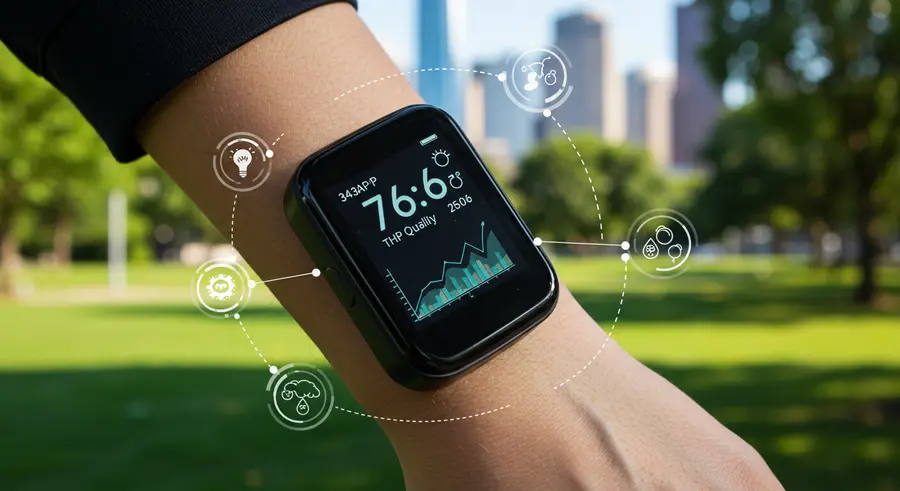
Wearables providing real-time environmental data.
Key Capabilities: What Can These Wearables Monitor?
The scope of environmental monitoring by wearables is rapidly expanding. Here are some of the critical metrics they can track:
- Air Quality: Detecting pollutants like particulate matter (PM2.5, PM10), volatile organic compounds (VOCs), carbon monoxide, and ozone. This is vital for urban dwellers or those in areas with industrial activity.
- UV Radiation: Measuring UV index levels to help prevent sunburn and long-term skin damage, often providing alerts when exposure becomes dangerous.
- Temperature and Humidity: Offering localized climate data, useful for outdoor enthusiasts, athletes, or simply for optimizing personal comfort.
- Noise Levels: Monitoring ambient noise to help users identify potentially harmful sound environments and protect their hearing.
- Allergen Detection: Some advanced devices are beginning to incorporate sensors for common allergens like pollen, providing early warnings to allergy sufferers.
Miniaturized sensors are at the heart of environmental wearables.
Applications Across Industries and Daily Life
The utility of environmental monitoring wearables extends far beyond personal health. Their applications are diverse and transformative. Individuals with respiratory conditions like asthma can proactively avoid high-pollution areas. Sun-sensitive individuals can manage their outdoor activities more safely. In industrial settings, wearables can alert workers to hazardous gas leaks or unsafe noise levels, dramatically improving occupational health and safety. Data aggregated from personal wearables could contribute to larger environmental monitoring networks, providing granular, hyper-local data for smart city initiatives and policy-making.
The next generation of environmental monitoring wearables will be even more integrated and intelligent. Imagine devices that not only tell you the air quality but also suggest optimal routes for your daily commute to avoid pollution hotspots, utilizing advanced AI analysis similar to how market algorithms optimize trading strategies.
The Future Landscape: Integration and Intelligence
The convergence of these sensors with advanced AI and machine learning will unlock unprecedented levels of personalized environmental awareness. Furthermore, the discreet integration into everyday items – from smart clothing to jewelry – will make these environmental guardians virtually invisible, yet constantly active, ensuring we are always aware of our surroundings without feeling burdened by technology.