The Data-Driven Athlete: A New Era
The world of sports constantly seeks competitive edges, and wearable technology has emerged as a game-changer. Modern sports wearables offer a comprehensive suite of metrics that provide unparalleled insights into an athlete's body and performance. This data empowers coaches and athletes to make informed decisions, optimize training regimens, and push the boundaries of human potential.
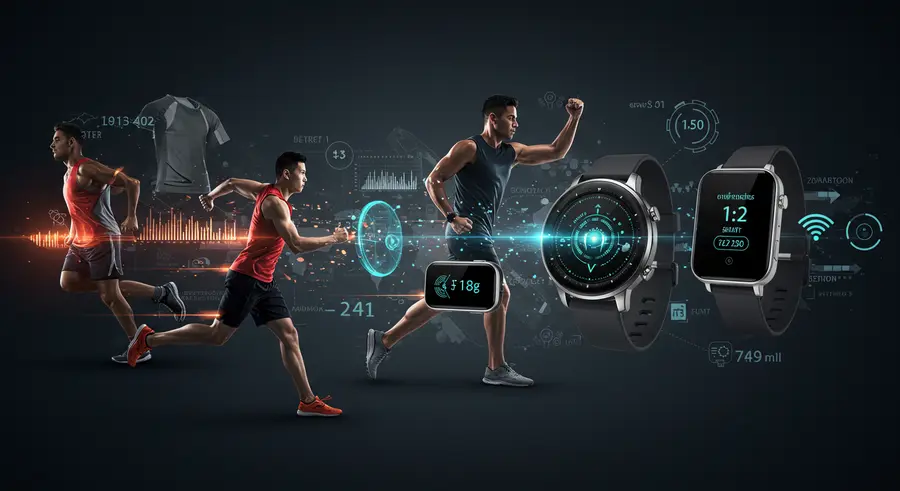
Wearables provide real-time feedback for optimal athletic development.
Key Wearable Technologies in Sports
- GPS Trackers: Providing insights into speed, distance, and acceleration for outdoor sports.
- Heart Rate Monitors: Monitoring cardiovascular intensity crucial for training zones.
- Accelerometer & Gyroscope Sensors: Tracking movement, form, and technique.
- Smart Apparel: Clothing with integrated sensors measuring muscle activity, posture, and hydration.
- Biometric Patches: Tracking advanced metrics like core body temperature or lactate thresholds.
Understanding such vast data streams mirrors how advanced financial analysis processes market data to identify patterns and opportunities.
Transforming raw data into actionable insights.
Optimizing Training and Preventing Injuries
One of the most profound impacts of wearables in sports is their ability to fine-tune training programs and significantly reduce injury risk. By continuously monitoring physiological responses and biomechanical patterns, wearables can alert athletes and coaches to signs of overtraining, fatigue, or improper form before they lead to serious issues. Load management quantifies training stress. Recovery monitoring tracks sleep quality and heart rate variability. Biomechanics analysis identifies inefficiencies in real-time. Early warning systems can predict potential injury risks. These devices facilitate personalized feedback, allowing athletes to adjust intensity, technique, or rest periods on the fly, leading to more effective and safer training sessions.
The Future of Sports Wearables: Beyond the Wrist
The evolution of sports wearables is relentless. We are moving toward implantable sensors providing more accurate internal physiological data. Smart contact lenses could show real-time stats during training. AI-powered coaching will process wearable data to provide highly personalized feedback. Predictive analytics will leverage machine learning to predict performance trends and peak windows. These advancements promise to make sports even more competitive, safer, and data-driven.