The Brain Behind the Brawn: How AI Elevates Wearables
Wearable technology has come a long way from simple step counters. Today, these devices are collecting vast amounts of data – from heart rates and sleep patterns to location and activity levels. However, raw data alone isn't enough. This is where Artificial Intelligence steps in, transforming mere data into actionable insights and truly personalized experiences. AI algorithms can now analyze an individual's unique biometric data over time to detect subtle changes, predict potential health issues, and offer highly personalized recommendations.
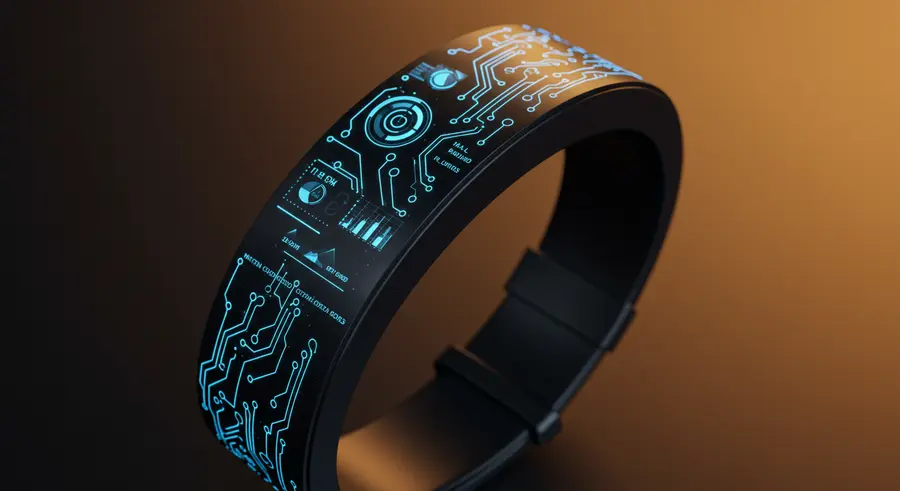
AI is the unseen architect of intelligent wearable experiences.
Personalized Health and Wellness Coaching
One of the most profound impacts of AI in wearables is in the realm of health and fitness. Imagine a smartwatch that not only tracks your sleep but also uses AI to suggest optimal bedtime routines based on your recovery needs, or an activity tracker that modifies your workout plan dynamically based on your performance and fatigue levels.
Key AI applications in health wearables include:
- Predictive Analytics: Identifying early signs of illness or stress through advanced AI analysis of biometric patterns.
- Personalized Coaching: Tailoring fitness and wellness advice based on individual data through machine learning models.
- Anomaly Detection: Alerting users to unusual physiological patterns before they become serious issues.
- Behavioral Nudges: Encouraging healthier habits through intelligent, context-aware notifications and insights.
Much like how AI stock market analysis transforms financial data into investment decisions, wearable AI translates biometric streams into actionable health guidance.
AI-driven insights make health tracking proactive.
Enhanced User Experience and Predictive Assistance
Beyond health, AI is making wearables more intuitive and responsive to our needs. Voice assistants embedded in smartglasses or hearables are becoming more sophisticated, understanding context and providing proactive information without explicit commands. Noise-canceling headphones use AI to adapt to environmental sounds, while smart rings can learn your daily routines and anticipate your needs, streamlining interactions with your digital world.
For example, a wearable might use AI to learn your commute patterns and automatically suggest leaving earlier if it predicts traffic, or adjust your smart home settings as you approach your residence. This predictive assistance transforms wearables from mere tools into genuine companions.
Challenges and The Road Ahead
While the integration of AI promises a revolutionary future for wearables, challenges remain. Data privacy and security are paramount concerns, as these devices collect highly sensitive personal information. Ensuring the transparency and fairness of AI algorithms, as well as managing the computational demands of on-device AI, are ongoing areas of research and development.
The future of AI in wearables is bright, envisioning devices that seamlessly blend into our lives, offering unprecedented levels of personalization, health monitoring, and intelligent assistance. As AI continues to evolve, so too will our wearable companions, becoming indispensable extensions of ourselves.